
Lesson plan

Threat Model a Student Service

Learners will identify assets, users, trust boundaries, misuse cases, and safeguards for a fictional student service.

Grades 9-12Two 55-minute sessionsRead online + download
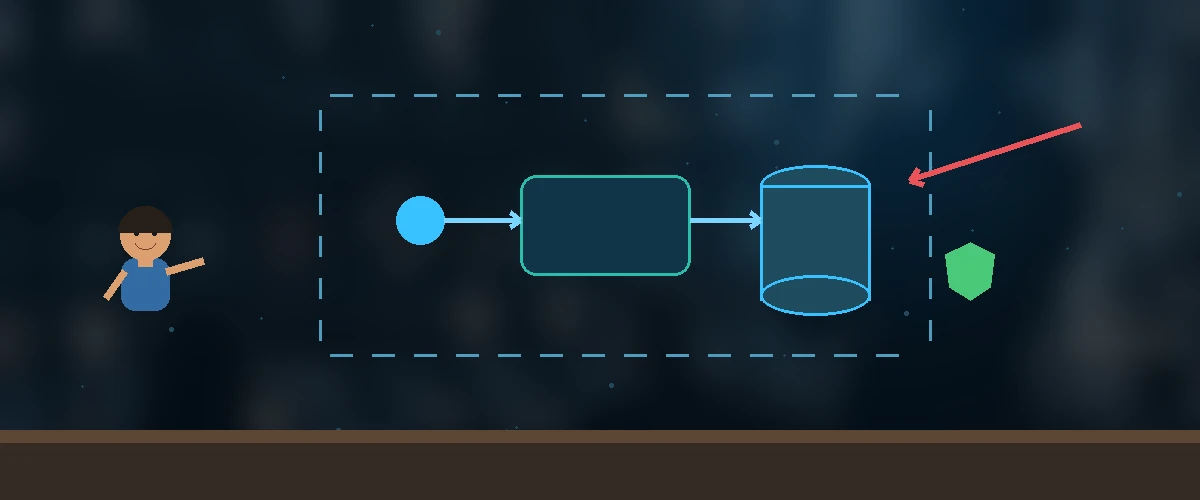
A student maps users, an application, a data store, trust boundaries, misuse paths, and safeguards for a fictional service.
Threat modeling connects system structure, trust boundaries, misuse paths, and practical safeguards.

Time: Two 55-minute sessions Outcome: Learners will identify assets, users, trust boundaries, misuse cases, and safeguards for a fictional student service.

Materials

  • Fictional service description
  • Data-flow template
  • Threat-model worksheet

Safety and Privacy

The service is conceptual. Learners do not test a real application or use real student data.

Activity

Teams design a fictional service for scheduling tutoring appointments. They identify:

  • Users and administrators
  • Data collected and purpose
  • External services
  • Trust boundaries
  • Misuse cases
  • Identity and access requirements
  • Privacy and retention decisions
  • Logging, recovery, and abuse-reporting needs

Evidence

Data-flow diagram, prioritized threats, design decisions, and residual risk.

Debrief

  • Which risk was created by a convenience feature?
  • What data could be removed entirely?
  • How should the service recover after account compromise?

Source and use

The Complete Cybersecurity Educator · Dr. Jason Edwards. Editable companion - Lesson 4.2 - Threat Model a Student Service.

Please do not resell this resource. You may repost or share it with other educators; keep the Bare Metal Cyber Educators Hub URL and source attribution intact. See the companion permissions. Use fictional or appropriately authorized material and follow the safety guidance in each resource.

Help improve the Educators Hub.Report a mistake, request a resource, or suggest an improvement.
Send feedback →