
Lesson plan

Social Engineering Verification Drill

Learners will respond to pressure-based requests using independent verification and documented reporting.

Grades 7-850 minutesRead online + download
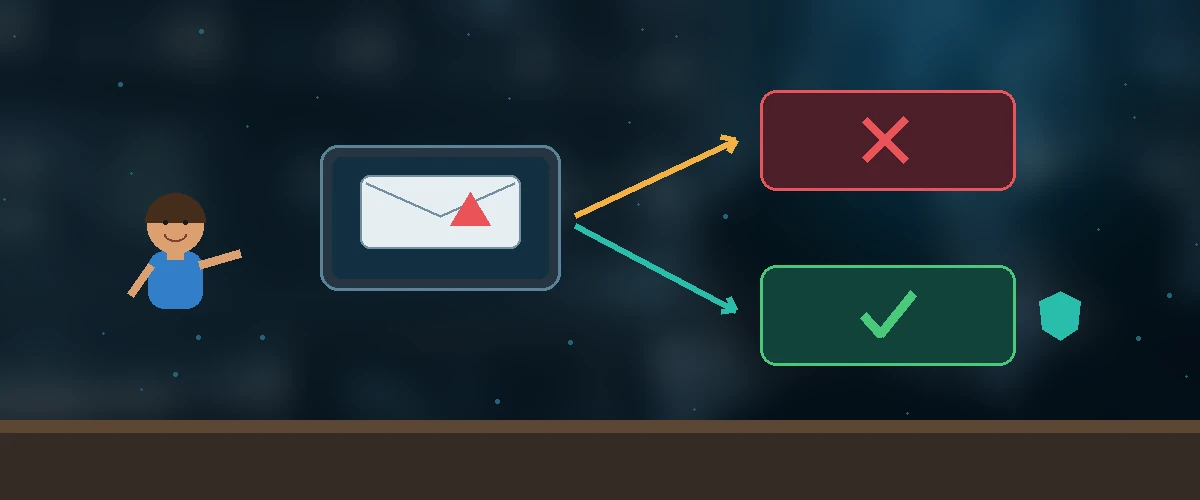
A student receives a pressured message and follows a split path that contrasts an unsafe response with independent verification.
The safest response to pressure is to pause and verify through a separate trusted channel.

Time: 50 minutes Outcome: Learners will respond to pressure-based requests using independent verification and documented reporting.

Materials

  • Role cards
  • Request cards
  • Verification-plan worksheet

Safety and Privacy

Do not target real students with surprise deception. All requests are announced classroom simulations.

Activity

Learners rotate through roles: requester, recipient, verifier, and observer. Request cards include authority, urgency, curiosity, fear, and reward. The recipient must avoid using contact details contained in the request and select a separately trusted verification channel.

Evidence

The observer records pressure technique, recipient action, verification path, and one improvement.

Debrief

  • Which pressure technique was hardest to resist?
  • Why can helpfulness create risk?
  • How should organizations design reporting so people do not feel blamed?

Source and use

The Complete Cybersecurity Educator · Dr. Jason Edwards. Editable companion - Lesson 3.2 - Social Engineering Verification Drill.

Please do not resell this resource. You may repost or share it with other educators; keep the Bare Metal Cyber Educators Hub URL and source attribution intact. See the companion permissions. Use fictional or appropriately authorized material and follow the safety guidance in each resource.

Help improve the Educators Hub.Report a mistake, request a resource, or suggest an improvement.
Send feedback →